


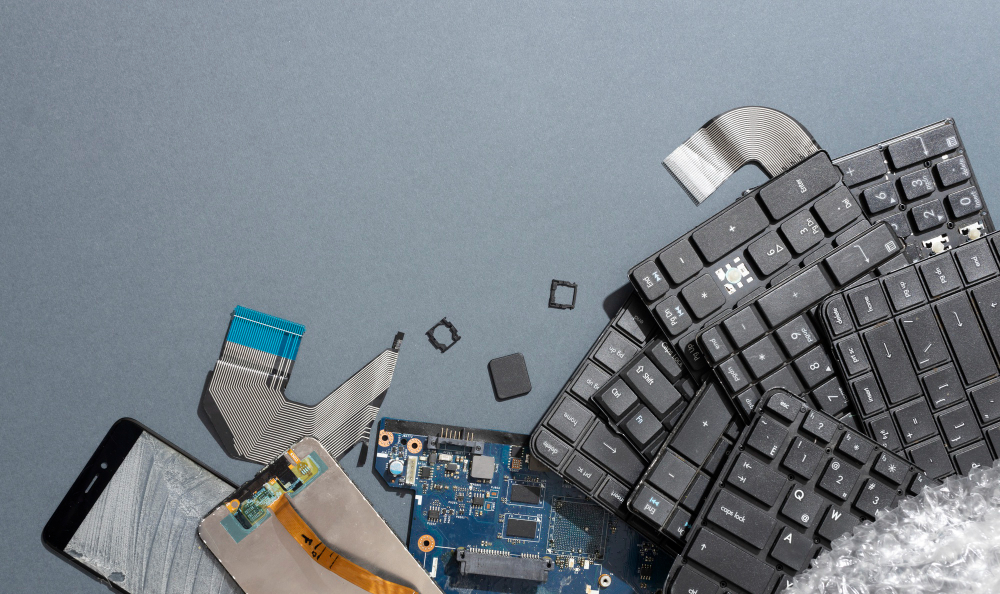
Every growing business in the UAE relies on technology to stay competitive. From laptops/ Desktops and servers to smartphones and network equipment, digital assets keep daily operations running smoothly. However, simply buying hardware and using it until it breaks is no longer enough. Modern companies need a structured approach to oversee their technology investments from purchase to retirement. Implementing proper IT asset lifecycle management helps organizations cut unnecessary costs, boost productivity, strengthen data security, and stay fully compliant with local UAE regulations. This guide breaks down everything you need to know to manage your company’s technology assets efficiently.
What is IT Asset Lifecycle Management?
IT asset management lifecycle for businesses refers to the proactive process of overseeing corporate hardware and software across its entire operational lifespan. Instead of viewing technology as a series of one-off purchases, this strategy treats every device as an evolving asset that requires systematic planning, tracking, maintenance, and eventual disposal.
When UAE organizations manage their hardware systematically, they maximize the financial return on every device while avoiding unexpected downtime, software compliance penalties, and security vulnerabilities.
The 4 Essential Stages of the IT Asset Lifecycle Management Process
A clear IT asset lifecycle management process follows four core stages:
1. Planning and Procurement
The lifecycle begins long before you buy a single computer. Strategic planning involves analyzing your actual operational needs, setting hardware budgets, and selecting equipment that aligns with your business goals. Smart procurement focuses on purchasing reliable hardware with clear vendor warranties and scalable specifications.
2. Deployment and Integration
Once new hardware arrives, IT teams configure devices, install licensed software, and set up security protocols. Proper deployment ensures that employees receive fully operational equipment tailored to their roles, reducing setup delays and preventing unauthorized software installations.
3. Operations, Maintenance, and Optimization
During this active phase, hardware performs daily business functions. Continuous monitoring, routine software updates, and proactive hardware maintenance keep devices running at peak efficiency. IT teams track asset performance, manage warranties, and redeploy underutilized assets to different departments to extend their total usable life.
4. Retirement and Secure Disposal
When equipment reaches the end of its useful life or becomes obsolete, it must be safely retired. This final step involves removing devices from company inventory, wiping confidential corporate data, and routing old electronics to certified recycling facilities in compliance with local environmental laws.
Key Business Benefits of Managing Your IT Asset Lifecycle
Adopting a structured framework brings measurable financial and operational advantages to your company:
- Significant Cost Savings: Strategic tracking stops companies from purchasing redundant hardware, reduces software licensing waste, and optimizes routine maintenance expenditures.
- Enhanced Corporate Security: Knowing where every device is located and who uses it minimizes the risk of unauthorized access or data exposure through lost, stolen, or misplaced equipment.
- Seamless Regulatory Compliance: Clear record-keeping guarantees that your organization stays aligned with local privacy standards and environmental laws during internal or external audits.
- Higher Employee Productivity: Timely hardware upgrades and proactive performance monitoring prevent sudden device crashes and reduce operational downtime for your staff.
- Extended Hardware Lifetime: Regular maintenance routines and smart resource redistribution ensure every piece of equipment provides maximum value before replacement.
IT Asset Lifecycle Management Best Practices for UAE Companies
To build a smooth workflow, businesses should follow these proven IT asset lifecycle management best practices:
- Maintain a Centralized Asset Inventory: Keep an accurate digital inventory that tracks every device by serial number, assigned user, hardware specs, warranty expiration, and physical location.
- Align with Local Data Privacy Laws: Under the UAE Personal Data Protection Law (PDPL), businesses must protect customer and employee data at all times. Ensure retired storage media undergoes certified data wiping or physical destruction.
- Enforce Strict E-Waste Compliance: Dubai Municipality prohibits throwing corporate electronics into general trash. Partner with certified recycling facilities to handle old electronic waste legally and sustainably.
- Conduct Regular Asset Audits: Run quarterly or bi-annual physical audits to identify misplaced hardware, ghost assets, or unlicensed software that could trigger financial leaks or security risks.
- Automate Lifecycle Tracking: Implement dedicated software tools to automate maintenance alerts, warranty renewals, and software license tracking across all departments.
Power Your IT Asset Lifecycle with Planet Green
Managing technology hardware throughout its operational lifespan requires a trusted partner who follows IT asset lifecycle management best practices, especially when devices reach the end of their useful life. Planet Green is an R2v3certified, ISO 27001:2022 and ISO 9001:2015 certified waste management and recycling facility based in Dubai, fully approved by the Dubai Economic Department and Dubai Municipality. We help UAE organizations complete their IT asset disposition with certified data destruction, secure e-waste recycling, and complete IT asset disposition services.
Our team handles every step with total accountability, providing GPS-tracked collection, serial-level logging, international-standard data wiping, and eco-friendly component recycling. Upon project completion, we issue an official Certificate of Destruction to guarantee total regulatory compliance for your audits. Protect your corporate data, stay compliant with UAE environmental laws, and streamline your hardware lifecycle today. Visit Planet Green to schedule your secure IT asset disposal service.
Frequently Asked Questions
1. What is IT asset lifecycle management?
IT asset lifecycle management is a strategic process of planning, procuring, deploying, maintaining, and securely disposing of corporate technology hardware and software to maximize value and minimize security risks.
2. Why is IT asset lifecycle management important for UAE businesses?
It helps UAE companies control hardware costs, ensure full compliance with UAE data privacy laws (PDPL), improve operational efficiency, and prevent electronic waste from harming the local environment.
3. What are the main stages of the IT asset lifecycle?
The four main stages are strategic planning and procurement, deployment and integration, ongoing maintenance and optimization, and secure end-of-life retirement and disposal.
4. How does lifecycle management improve data security?
It tracks media storage devices continuously, ensures timely security patches during operation, and guarantees certified data wiping or physical hard drive destruction before hardware leaves your organization.
5. How do I know when an IT asset needs retirement?
An asset needs retirement when maintenance costs exceed its value, software upgrades are no longer supported, performance drops significantly, or physical hardware becomes obsolete and insecure.