

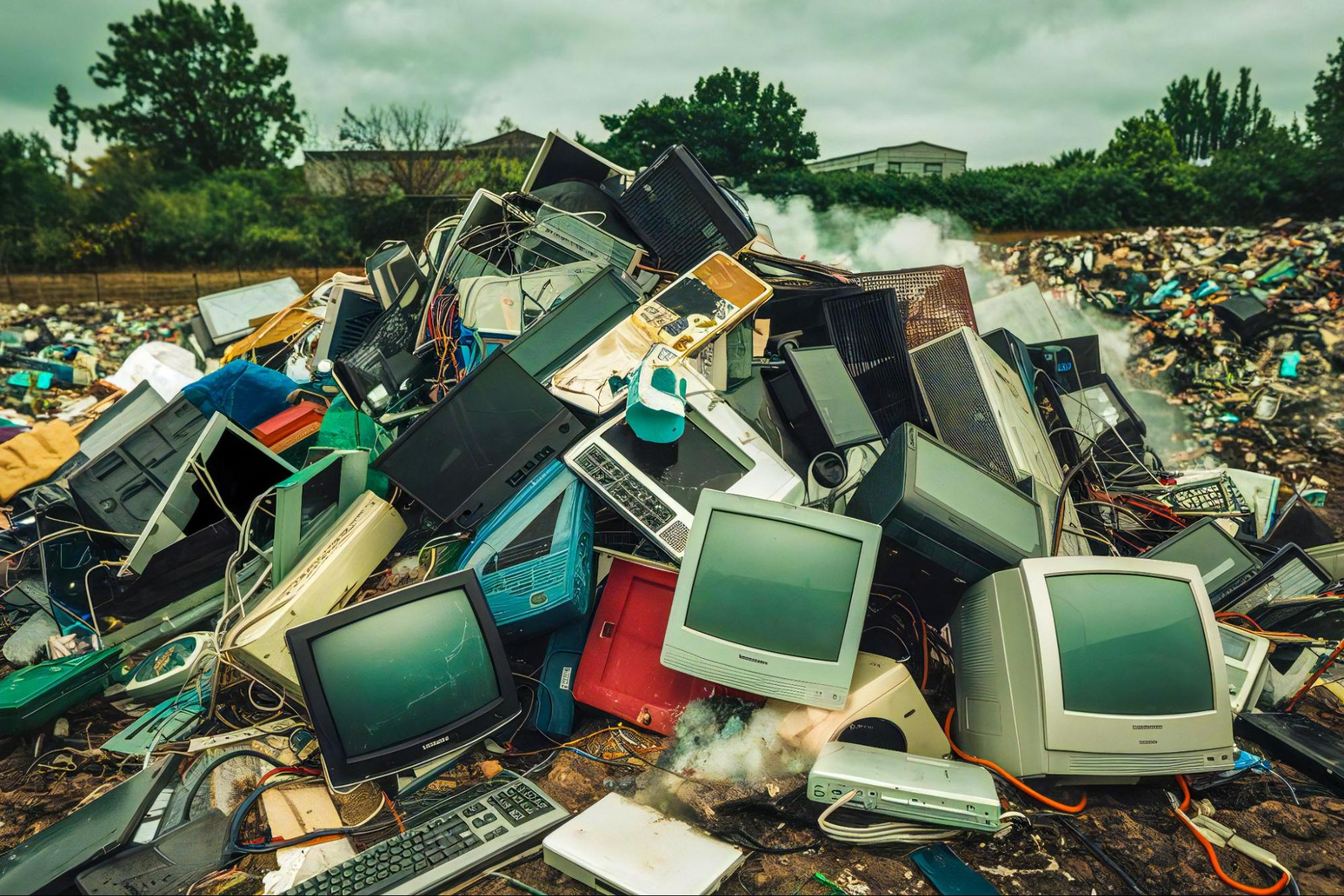
The rapid growth of technology has transformed how businesses and households operate. However, this progress has also created one of the fastest-growing waste streams in the world, electronic waste, commonly known as e-waste. From outdated computers and mobile phones to obsolete servers and household appliances, discarded electronics pose serious risks if not handled responsibly.
In cities like Dubai, where digital transformation and infrastructure upgrades are constant, the volume of discarded electronics is increasing every year. Without proper e-waste recycling, these materials can become hazardous to human health and the environment.
What Is E-Waste and Why Is It a Growing Concern?
E-waste includes discarded electrical and electronic equipment such as computers, laptops, servers, printers, mobile phones, routers, batteries, and household appliances. These items contain a complex mix of materials, valuable metals like copper and aluminum, alongside hazardous substances such as lead, mercury, cadmium, and brominated flame retardants.
When electronics reach the end of their life cycle, improper disposal can lead to long-term environmental damage. Dumping or informal dismantling of electronics allows toxic components to leak into soil, water, and air, creating widespread e-waste pollution that affects ecosystems and communities.
The Dangers of E-Waste to the Environment
One of the biggest dangers of e-waste lies in its chemical composition. Many electronic components contain substances that do not decompose naturally and remain in the environment for decades. When e-waste is dumped in landfills, rainwater causes toxic elements to seep into groundwater, contaminating drinking water sources.
Burning electronic waste, often done in informal recycling operations—releases harmful fumes into the air, contributing to air pollution and climate change. Plastics and circuit boards emit dioxins and furans when burned, which are among the most dangerous pollutants known. These environmental impacts highlight why improper e-waste disposal is a serious global issue that requires regulated and certified solutions.
Health Risks Associated with Electronic Waste
The health risks of electronic waste extend beyond environmental damage. People exposed to improperly handled e-waste—such as landfill workers, informal recyclers, and nearby communities—face increased risks of respiratory problems, skin disorders, neurological damage, and long-term illnesses.
Heavy metals like lead and mercury affect brain development, especially in children, while cadmium exposure can cause kidney and bone damage. Prolonged exposure to toxic fumes and contaminated water increases the risk of cancer and reproductive health issues. These health risks of electronic waste make responsible recycling not just an environmental necessity, but a public health priority.
Why Businesses Must Take Responsibility for E-Waste
For businesses, e-waste management is more than a sustainability concern, it is also a matter of data security and regulatory compliance. Old IT equipment often contains sensitive corporate and customer data. If discarded carelessly, hard drives and storage devices can lead to data breaches, financial losses, and reputational damage.
Certified recycling partners like Planet Green Recycling ensure secure data destruction alongside environmentally safe processing. By working with authorized recyclers, organizations can avoid legal penalties, demonstrate corporate responsibility, and support ethical waste management practices.
How Professional E-Waste Recycling Makes a Difference
Proper recycling transforms discarded electronics into valuable resources. Metals, plastics, and reusable components are recovered and reintroduced into manufacturing processes, reducing the need for mining virgin materials. This not only conserves natural resources but also lowers energy consumption and greenhouse gas emissions.
The benefits electronic waste recycling offers include reduced landfill dependency, safer waste handling, job creation, and improved environmental outcomes. Responsible recycling also supports a circular economy, where materials are reused rather than wasted.
Planet Green Recycling’s Approach to E-Waste Management
Planet Green Recycling is a Dubai Municipality, approved and ISO 9001:2015 certified facility offering end-to-end e-waste management solutions. With state-of-the-art machinery and strict adherence to environmental regulations, the company ensures safe collection, segregation, dismantling, and recycling of electronic waste.
Reusable equipment is refurbished wherever possible, extending product life and reducing environmental impact. Non-reusable items are dismantled manually and mechanically, separating metals, plastics, glass, and electronic components for responsible recycling. Storage media undergo secure data destruction to ensure complete confidentiality.
By following industry best practices, Planet Green Recycling ensures that collected electronics do not end up in landfills, completing the waste management cycle responsibly.
The Environmental Impact of Improper E-Waste Disposal
When electronics are disposed of incorrectly, the damage is long-lasting. Soil contamination affects agriculture, polluted water harms aquatic life, and air pollution impacts entire communities. Over time, these effects disrupt ecosystems and increase healthcare costs.
Addressing improper e-waste disposal requires collaboration between businesses, governments, and recycling facilities. Certified recyclers play a crucial role in reducing e-waste pollution and protecting future generations from environmental and health hazards.
Why Choosing a Certified Recycler Matters
Not all recycling methods are safe or compliant. Certified recyclers follow strict environmental, health, and safety standards, ensuring responsible handling of hazardous materials. Planet Green Recycling provides transparent documentation, recycling certificates, and destruction reports that help organizations meet compliance and audit requirements.
Working with a certified recycler ensures accountability, traceability, and peace of mind, while contributing positively to environmental sustainability.
Planet Green Recycling: Building a Safer, Cleaner Future Through E-Waste Recycling
Planet Green Recycling is committed to protecting the environment, public health, and corporate integrity through responsible e-waste management. With modern infrastructure, certified processes, and a zero-landfill approach, the company provides businesses with reliable and sustainable recycling solutions.
By choosing Planet Green Recycling, organizations actively reduce environmental harm, prevent data breaches, and support circular economy practices. The company’s expertise in handling electronic waste ensures compliance with UAE regulations while promoting long-term ecological balance. Through responsible recycling, Planet Green Recycling continues to play a vital role in creating a cleaner, safer, and more sustainable future for Dubai and beyond.
Frequently Asked Questions (FAQs)
1. What is e-waste recycling?
It is the process of collecting, dismantling, and recycling discarded electronic equipment to recover materials safely and prevent environmental harm.
2. Why is e-waste dangerous if not recycled?
E-waste contains toxic substances that pollute air, water, and soil, causing serious health and environmental risks.
3. Can old electronics be reused?
Yes. Many devices or components can be refurbished and reused, reducing waste and extending product life.
4. How does Planet Green Recycling ensure data security?
The company provides certified data destruction through physical shredding and secure wiping methods.
5. Who can use Planet Green Recycling’s services?
Corporates, government departments, SMBs, retailers, and residential communities can all access their e-waste recycling services.