


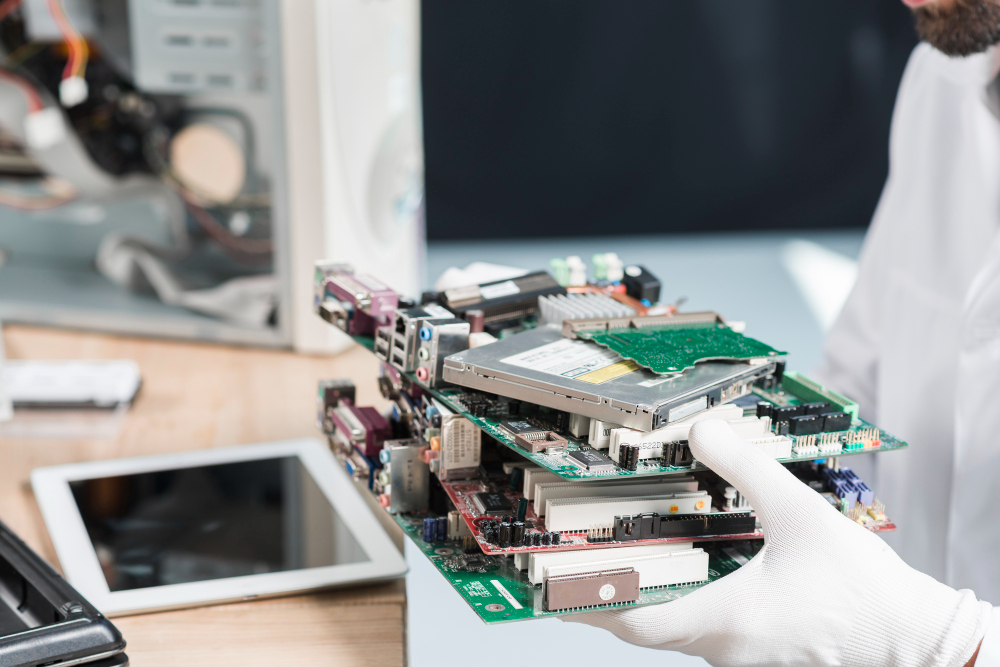
When a business replaces old laptops, servers, or storage devices, attention often shifts straight to the new technology, but the old equipment deserves equal attention. Retired IT assets can still hold confidential business information, customer records, employee data, passwords and other sensitive files. Simply deleting files or sending equipment off as scrap doesn’t guarantee protection. Without a controlled disposal process, organisations can lose track of data-bearing devices and increase the risk of unauthorised access.
Working with professional ewaste recyclers helps businesses combine secure data destruction with responsible IT equipment recycling, protecting information while ensuring obsolete equipment moves through appropriate recovery and recycling channels.
Why Old IT Equipment Creates a Data Security Risk
IT equipment doesn’t stop containing information the moment it stops being used. A laptop may be replaced because it’s slow, a server may reach end of life, or a storage device may simply become obsolete, but the data on these assets can remain accessible unless properly sanitised or destroyed.
This makes data security a key part of IT asset disposal. Businesses need to consider the entire journey of an asset, from collection and transport through to data destruction, recycling and final documentation.
These risks generally fall into five areas:
- Data exposure: sensitive information may be accessed.
- Loss of asset control: devices misplaced or handled without tracking.
- Improper destruction: data remains recoverable.
- Lack of documentation: disposal is difficult to verify.
- Environmental risk: equipment not processed through responsible recycling channels.
Common Data Security Risks When Disposing of IT Equipment
When disposing of old IT equipment, businesses need to consider more than data deletion. Several risks can arise throughout the disposal process, including:
1. Assuming Deleted Files Are Permanently Gone
Deleting a file doesn’t always remove it, depending on the device and method, data can remain recoverable. For equipment meant for reuse, resale or donation, proper data wiping overwrites the storage and verifies sanitisation before it moves on.
2. Overlooking Storage Media Inside Old Devices
An old laptop or server is easy to see as just hardware, but its HDD, SSD or other media may hold valuable data, including:
- Hard disk drives (HDDs)
- Solid-state drives (SSDs)
- Magnetic tapes
- CDs and DVDs
- USB and flash drives
- Optical media
- Tablets and mobile devices
Identifying these before disposal helps decide how each asset should be handled.
3. Losing Control of Equipment During Collection and Transport
Risks can arise before equipment even reaches a facility. Uncontrolled movement or poor record-keeping makes it hard to trace where an asset went. Sealed containers, logging and unique ID numbers create a documented chain of custody.
4. Choosing an Inappropriate Destruction Method
Not every device needs the same treatment, the right method depends on the media and desired outcome:
- Data wiping: suits equipment for reuse or resale
- Degaussing: sanitises magnetic media like hard drives and tapes
- Physical destruction: used for irreversible disposal
5. Failing to Maintain an Audit Trail
Destruction shouldn’t end once a device is destroyed, documentation of what was collected and processed matters too. A Certificate of Destruction provides evidence, supporting governance, audits and compliance.
Understanding these risks helps businesses choose controlled disposal processes that protect sensitive information, maintain asset visibility and support responsible recycling practices.
How IT Asset Disposal Can Reduce Data Security Risks
A secure disposal process should cover more than removing unwanted hardware, it should provide controlled handling from collection through to final processing.
A structured process generally includes:
- Asset collection: equipment collected via controlled transportation
- Inventory and inspection: devices logged, inspected and categorised
- Data destruction: sensitive information addressed through wiping or destruction
- Recycling and resource recovery: usable components and materials recovered
- Documentation and certification: disposal and destruction records provided
This lets businesses handle data security and environmental responsibility as one controlled process.
What Happens to IT Equipment After Data Destruction?
Data destruction is only one stage of responsible disposal. Once media has been sanitised or destroyed, equipment can move to the next stage; refurbished, reused or dismantled, with recyclable components entering appropriate recovery processes.
This stage is where responsible electronics recycling matters: recovering materials like copper and aluminium supports resource recovery and reduces the need for new raw materials.
What Businesses Should Check Before Disposing of Old IT Equipment
- Identify devices that contain sensitive information
- Record relevant asset and serial numbers
- Determine whether each device should be wiped, degaussed or physically destroyed
- Use controlled collection and transportation
- Maintain records throughout the process
- Obtain appropriate destruction or recycling documentation
- Ensure equipment reaches a responsible processing facility
A professional electronics recycling facility can connect secure IT asset disposal with recycling and resource recovery, but organisations should first establish how data-bearing equipment will be handled before it enters that stage.
Why Secure IT Disposal Matters for Businesses
Old IT equipment can create both information-security and environmental concerns without a structured disposal process. A device no longer useful to an organisation may still contain information that needs protecting.
Responsible disposal of electronic items brings these considerations together, secure collection, inventory tracking, appropriate sanitisation, documentation and recycling all help businesses maintain control over retired technology, rather than treating data-bearing equipment like ordinary waste.
Secure IT Asset Disposal with Planet Green Recycling
Planet Green Recycling supports businesses in Dubai and across the UAE with secure data and media destruction, IT asset disposal, electronic items recycling and data centre decommissioning. Our destruction service uses data wiping, degaussing or physical destruction depending on the media, backed by secure collection, inventory logging, unique identification, chain-of-custody tracking and a Certificate of Destruction.
For IT asset disposal, we handle servers, computers, laptops, switches, monitors, tablets, projectors, smartphones and printers, covering collection, inspection, destruction, recycling and certification. Businesses upgrading infrastructure or retiring old equipment can get in touch with us for a structured, secure disposal process.
FAQs
1. Why is deleting files not enough when disposing of old IT equipment?
Deleting files does not necessarily remove data permanently. Businesses should use an appropriate data-wiping, degaussing, or physical-destruction method based on the storage media.
2. Which IT devices can contain sensitive business data?
Laptops, computers, servers, HDDs, SSDs, USB drives, magnetic tapes, CDs, DVDs, tablets and mobile devices can all contain sensitive information.
3. What are the common methods of data destruction?
The three common methods are data wiping, degaussing, and physical destruction. The appropriate method depends on the storage media and whether the equipment will be reused.
4. Why is chain-of-custody tracking important during IT disposal?
Chain-of-custody tracking records how equipment moves through the disposal process. It helps businesses maintain control over assets and supports audits, internal governance and compliance checks.
5. What happens to IT equipment after data destruction?
Depending on its condition, equipment may be refurbished, reused or dismantled. Recyclable materials and components can then be processed through appropriate recovery and recycling channels.