


Material recovery systems now rely on data, sorting logic, and process control to reduce loss. Sensors, tracked flows, and controlled treatment lines shape how discarded items regain value. These technical layers define recycling innovations in the UAE as structured systems, not loose practices. Waste streams move through defined paths, guided by safety rules and quality checks. Each stage reduces risk while improving reuse potential. This approach limits landfill pressure and supports stable material cycles. The focus stays on process clarity and measurable outcomes. Recovery becomes repeatable, safe, and scalable. Such systems also support long-term environmental planning. They encourage smarter use of resources already in circulation.
Electronics Waste as a Resource Stream
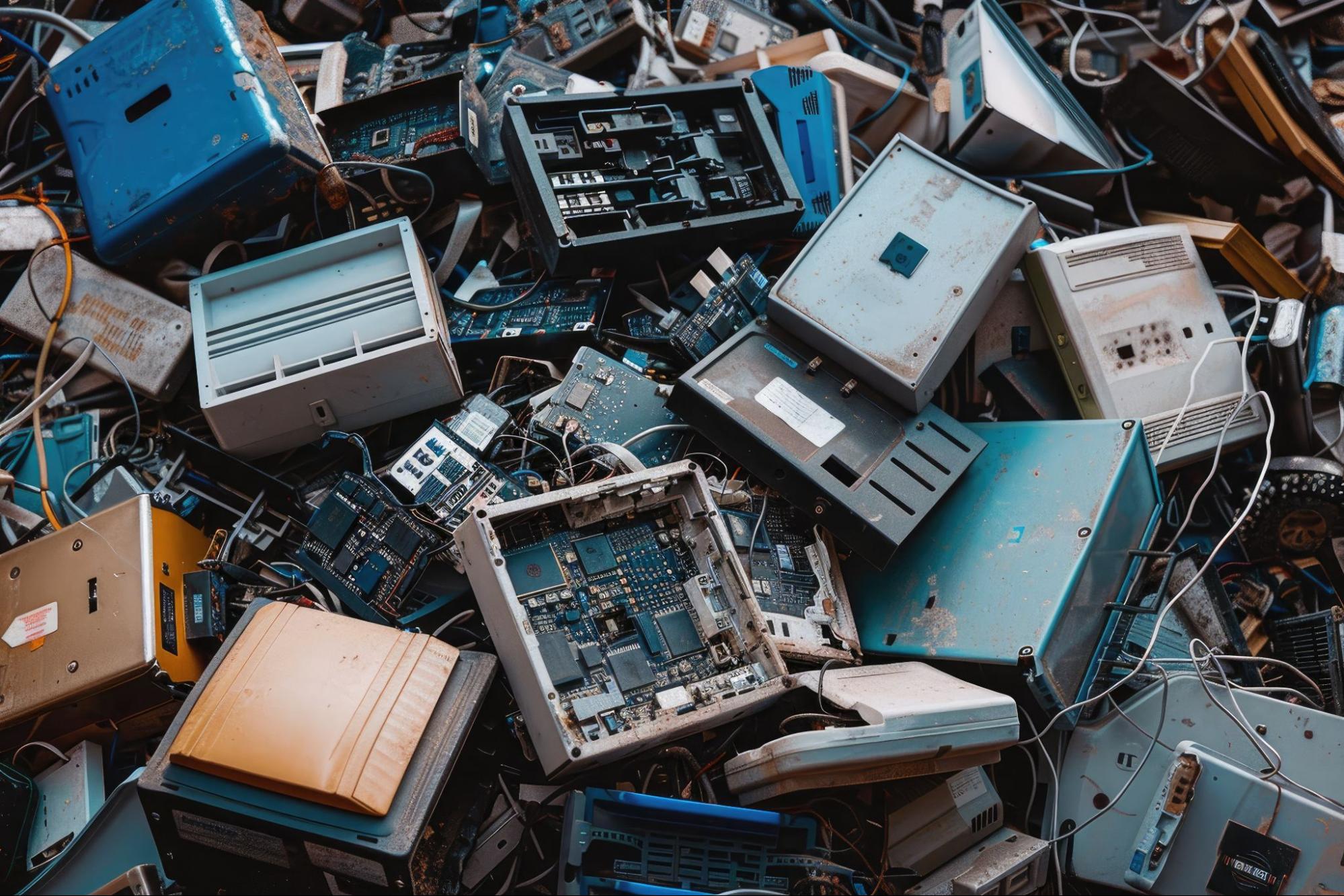
Discarded electronics hold metals, plastics, and glass with reuse value. E-waste recycling in UAE treats these items as controlled inputs, not hazards. Devices pass through manual checks before mechanical separation begins. Components are sorted by type and material weight. Hazardous parts receive careful handling to avoid soil and air harm. This method protects workers and surrounding areas. Recovered metals support local supply chains. Plastics find use in secondary manufacturing. Clear processes help reduce illegal dumping. This structured flow also supports compliance needs. It reflects how waste control links to public safety and resource recovery.
Rethinking Fabric and Fiber Waste
Clothing waste grows due to fast production and short use cycles. Textile recycling in UAE focuses on fiber recovery and material reuse. Sorting starts by fabric type and blend ratio. Natural fibers move toward reuse or compost paths. Synthetic fibers enter controlled recycling lines. Clean separation improves output quality. Recovered fibers support insulation, padding, and industrial fabric needs. This reduces pressure on raw material sourcing. It also limits landfill overflow. Textile recovery supports circular use without heavy energy demand. These practices show how simple sorting choices can extend material life.
Connecting Innovation With Policy and Practice
Recycling progress depends on rules, access, and clear responsibility. Sustainable waste management UAE links innovation with planning and enforcement. Clear collection routes reduce contamination. Approved treatment facilities ensure safe processing. Education supports better sorting at source. This lowers handling risks later. Innovation works best within these systems. Technology alone cannot fix waste flow issues. Coordinated action improves recovery rates and safety. Policy support also helps scale proven methods. These links show how management structure supports innovation. Waste control becomes part of daily operations, not an afterthought.
Turning Ideas Into Repeatable Systems
New recovery methods focus on repeat use, not one-time success. Waste recycling innovations UAE emphasize stable inputs and consistent outputs. Pilot projects test methods before wide rollout. Feedback loops help refine processes. This approach reduces trial waste and improves efficiency. Materials recovered today must meet tomorrow’s use needs. Quality control stays central. Each system aims to fit existing supply chains. Innovation here means reliability and safety. These ideas help turn waste into planned resources. They also support long-term industrial balance.
Our Approach at Planet Green
At Planet Green, we focus on structured recovery systems built for long-term use. We design processes that support sustainable waste management UAE goals. Our teams handle materials with clear safety steps. We treat waste as managed input, not a burden. Our work supports recycling innovations in the UAE through practical execution. We invest in sorting accuracy and controlled treatment. This improves output quality across streams. We also support e-waste recycling in UAE with safe handling practices. Each system we run focuses on repeat value creation. Our role centers on turning ideas into stable operations.
Advancing Textile and Material Recovery
We approach textile recycling in UAE with material clarity and process discipline. Our systems focus on fiber separation and reuse paths. We avoid mixed handling that lowers output value. Clean sorting supports better reuse options. We also align our work with waste recycling innovations UAE standards. Our methods reduce landfill pressure and support reuse markets. Each step follows defined quality checks. We believe textile waste holds long-term value when handled right. Our work reflects careful planning and steady execution. This approach helps close material loops.
Building Scalable Recycling Solutions
We believe progress depends on systems that grow without losing control. Our operations support recycling innovations in the UAE through scalable design. We plan for steady volumes and safe handling. This supports e-waste recycling in UAE and textile recovery together. Our teams focus on consistency over quick fixes. Clear workflows reduce risk and improve results. We also support sustainable waste management UAE through compliance-ready processes. Innovation, for us, means reliability and trust. Our work aims to support long-term environmental balance through practical action.
Contact Us
At Planet Green, we help organizations turn waste into managed resources through clear systems. We support recycling goals with practical, safe, and repeatable processes. Reach out to learn how our approach can support your waste recovery plans and long-term sustainability objectives.